
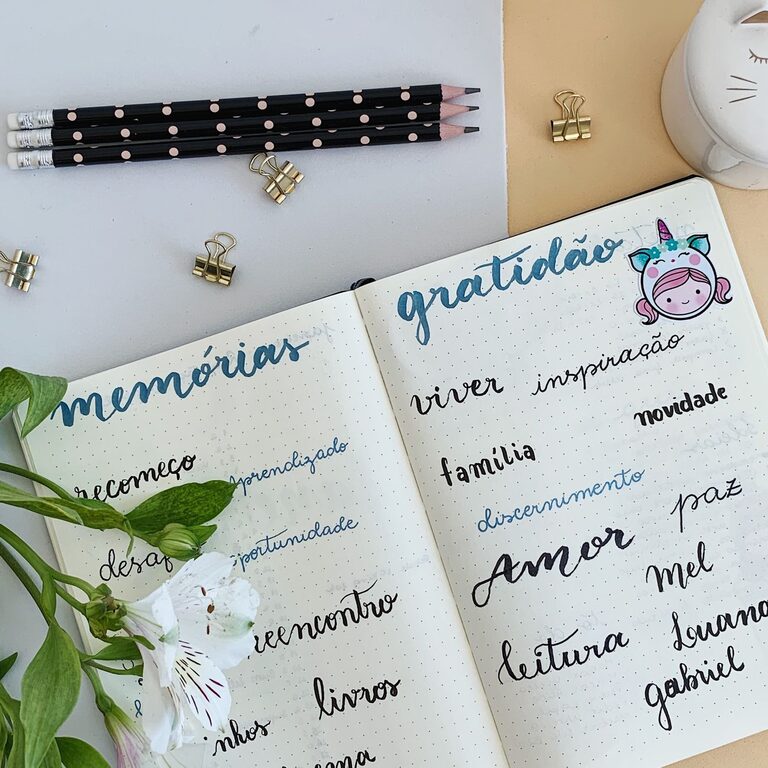
Keeping a gratitude journal is a simple yet powerful way to shift your focus toward the positive aspects of life. By regularly writing down things you’re thankful for, you can boost your mood, reduce stress, and improve overall well-being. If you’re new to this practice, this guide will walk you through everything you need to know to start your own gratitude journal.
What Is a Gratitude Journal?
A gratitude journal is a personal diary where you record things you feel thankful for each day. It can be as brief as a few words or more detailed reflections. The key is to consistently acknowledge the good in your life, no matter how small.
Benefits of Keeping a Gratitude Journal
Before diving in, it helps to understand why keeping a gratitude journal is beneficial:
– Enhances positivity: Focusing on gratitude shifts your attention away from worries and negative thoughts.
– Improves mental health: Studies show gratitude can lower symptoms of depression and anxiety.
– Strengthens relationships: Recognizing the kindness of others helps nurture connections.
– Boosts resilience: Grateful people often handle challenges with a more optimistic outlook.
– Promotes better sleep: Reflecting on positive experiences before bed can lead to improved rest.
How to Start Your Gratitude Journal
You don’t need fancy supplies or hours of free time to get started. Follow these easy steps:
1. Choose Your Journal Format
Decide how you want to keep your journal. Options include:
– A traditional notebook or diary
– A digital document or notes app on your phone or computer
– A specialized gratitude journal with prompts
Pick whatever feels most comfortable and accessible so you’re more likely to keep up with it.
2. Set a Routine
Consistency is key. Choose a specific time each day to write—whether it’s first thing in the morning, during lunch, or right before bed. Even spending 5 minutes daily can make a difference.
3. Start Small
Begin by listing 3 to 5 things you’re grateful for each day. These can be simple, such as a warm cup of coffee, a kind word from a coworker, or a moment of sunshine. The goal is to acknowledge genuine moments that bring you joy or comfort.
4. Be Specific and Personal
Instead of generic statements like “I’m grateful for my family,” try to pinpoint something specific like “I’m grateful for the laugh I shared with my sibling today.” Being detailed helps deepen your appreciation.
5. Reflect on the Positive Impact
Occasionally, take a moment to reread past entries. Notice patterns or themes that bring you consistent happiness. This reflection reinforces positive feelings and gratitude habits.
Tips for Maintaining Your Gratitude Journal
– Keep it visible: Place your journal somewhere you’ll see it daily, such as your bedside table or workspace.
– Use prompts if stuck: If you struggle to think of things to write, prompts like “Today, I appreciated…” or “A small moment that made me smile was…” can help.
– Mix it up: Include a variety of entries — people, experiences, nature, personal qualities, and achievements.
– Avoid pressure: It’s okay to miss a day. The goal is progress, not perfection.
– Incorporate other gratitude practices: For example, try expressing your thanks verbally to others or mindful appreciation during walks.
Examples of Gratitude Journal Entries
Here are a few sample entries to inspire your own writing:
– “I’m thankful for the peaceful walk in the park this afternoon. The fresh air and birdsong lifted my mood.”
– “Grateful for my coworker’s help on the project—it made the workday less stressful.”
– “Appreciate the delicious dinner I cooked tonight and having time to enjoy it.”
– “Thankful for my health and the ability to exercise this morning.”
Common Questions About Gratitude Journaling
How long should I write each time?
Even 3 to 5 minutes is enough. The focus is on regularity and sincerity rather than length.
Can I write more than once a day?
Absolutely! Some people like to journal both morning and night, or jot down spontaneous moments of gratitude throughout the day.
What if I don’t feel grateful?
That’s okay. Sometimes the act of searching for even one small thing you appreciate can help shift your mindset. Try to be patient with yourself.
Final Thoughts
Starting a gratitude journal doesn’t require special skills or resources—just a commitment to noticing and appreciating the good in your life. Over time, this simple habit can transform your outlook and help you feel more content and connected. So grab a notebook or open a new document, and take your first step toward a more grateful mindset today!
About the Author