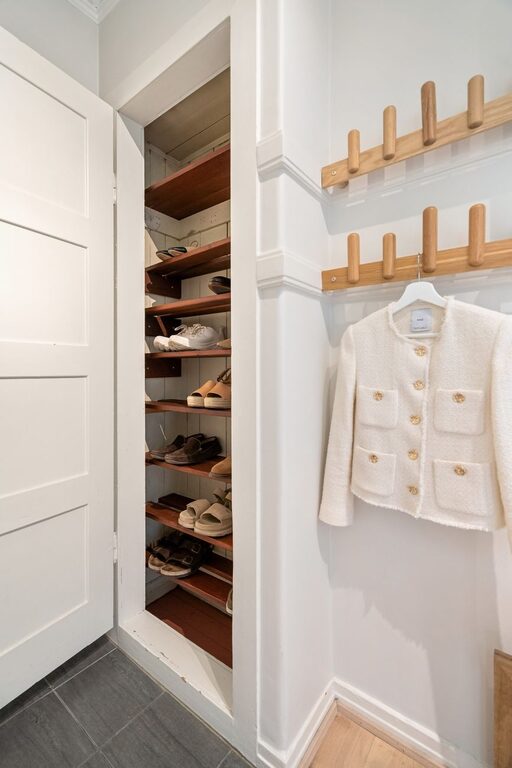
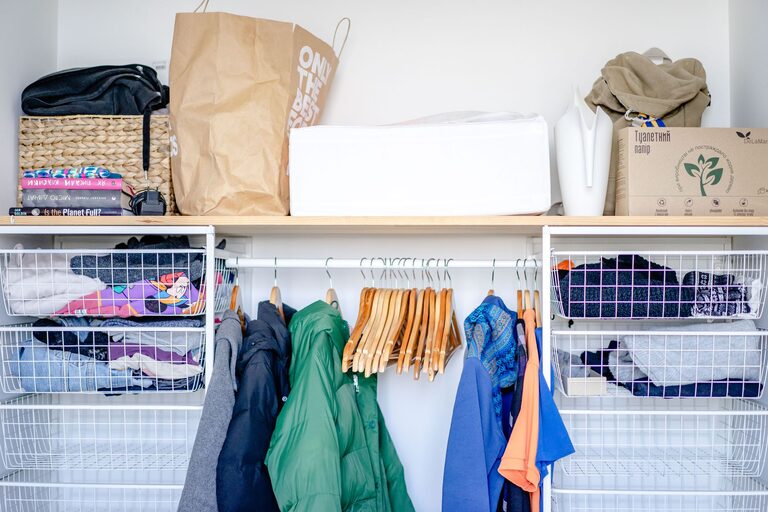
Storing seasonal clothes efficiently is a great way to keep your home organized and ensure your garments stay in good condition year-round. Whether you’re packing away winter sweaters or summer dresses, having a plan for storage can save space, reduce clutter, and make it easier to find what you need when the season changes. In this guide, we’ll explore practical tips and storage solutions that work for all types of clothing.
Why Proper Seasonal Clothing Storage Matters
When clothes are stored incorrectly, they can become wrinkled, damaged, or develop unpleasant odors. Dust, moisture, and pests also pose risks if garments aren’t protected. Efficient storage helps:
– Preserve fabric quality
– Extend the life of your clothes
– Maximize closet and storage space
– Simplify wardrobe transitions between seasons
Preparing Your Clothes for Storage
Before you pack away seasonal clothes, it’s important to prepare them properly.
Wash and Dry Thoroughly
Always wash or dry clean clothes before storing. Dirt, sweat, and oils can attract pests and cause fabric damage over time. Make sure items are completely dry to prevent mold and mildew.
Repair and Mend
Check for any tears, missing buttons, or loose threads and fix them. Storing clothes in good condition means they’ll be ready to wear when you take them out again.
Sort and Declutter
Take this opportunity to go through your wardrobe and decide what to keep, donate, or discard. Reducing the number of items stored frees up space and makes organizing easier.
Choosing the Right Storage Containers
Selecting suitable storage containers is key to protecting your seasonal clothes.
Plastic Bins with Lids
Clear plastic bins keep clothes dust-free and allow you to see what’s inside without opening. Choose bins that seal well to keep out moisture and pests. Avoid overstuffing to prevent wrinkles.
Fabric Storage Bags
Breathable fabric bags, like those made of cotton, are a good choice for delicate items or garments that need airflow. They help prevent mildew but don’t protect against pests as well as plastic bins.
Vacuum Storage Bags
These space-saving bags compress clothing by removing air. They’re great for bulky items like coats and blankets. However, avoid using vacuum bags for delicate fabrics like silk or anything prone to crushing.
Hanging Garment Bags
For suits, dresses, or other items that wrinkle easily, use hanging garment bags. They keep clothes hanging and protected from dust. Use durable, breathable bags instead of plastic wraps to avoid moisture buildup.
Storing Seasonal Clothes Efficiently
With clothes prepped and containers ready, here are tips for efficient storage:
Organize by Category and Frequency
Group clothes by type—sweaters, pants, dresses—and by how often you might use them next season. Store frequently worn items near the top or front for easy access.
Label Containers Clearly
Use labels or a labeling machine to mark containers. Include the season and contents for quick identification.
Use Shelf Dividers and Bins
If storing clothes on shelves, use dividers or smaller bins inside the larger container to keep things neat and separate.
Store Similar Items Together
Keep accessories like scarves, gloves, or hats in small pouches or boxes inside your main storage bins.
Avoid Overpacking
Leave some room in each container for air circulation. Overpacking can wrinkle clothes and cause fabric stress.
Protecting Clothes from Damage
Control the Environment
Store clothes in a cool, dry, and dark place. Avoid attics or basements if they are prone to humidity or temperature fluctuations.
Use Cedar or Lavender
To repel moths and pests naturally, place cedar blocks or lavender sachets in your storage containers. These also add a fresh scent.
Rotate Items Periodically
If you store clothes for several months, check on them once in a while to air them out and ensure they remain in good condition.
Tips for Small Spaces
If storage space is limited, try these ideas:
– Use under-bed storage bins for bulky items.
– Hang seasonal clothes on a second rod in your closet.
– Consider vacuum bags to reduce volume.
– Use hooks or wall-mounted storage for accessories.
Getting Seasonal Clothes Ready for Use Again
When the season changes, take time to:
– Air out stored clothes before wearing
– Look over each item for any needed repairs
– Wash clothes that may have developed slight odors or dust
Following these steps will keep your wardrobe fresh and make seasonal transitions smooth.
—
Storing seasonal clothes efficiently doesn’t have to be a chore. With thoughtful preparation, good storage containers, and clear organization, you can protect your garments and save valuable space in your home. Try these tips and enjoy a clutter-free closet all year long!
About the Author